

Services / Troubleshooting guide
Marine turbocharger troubleshooting guide
Common symptoms, what may be behind them and when to ask for help. A general guide, not a substitute for the manufacturer's manual.
Look at the system first, then the turbocharger
A symptom that looks like a turbocharger problem often starts elsewhere: a blocked air filter or cooler, a restricted exhaust, a fuel or injection problem, or a faulty gauge. Compare readings with engine load and ambient conditions, and confirm that the instruments are correct, before suspecting the unit.
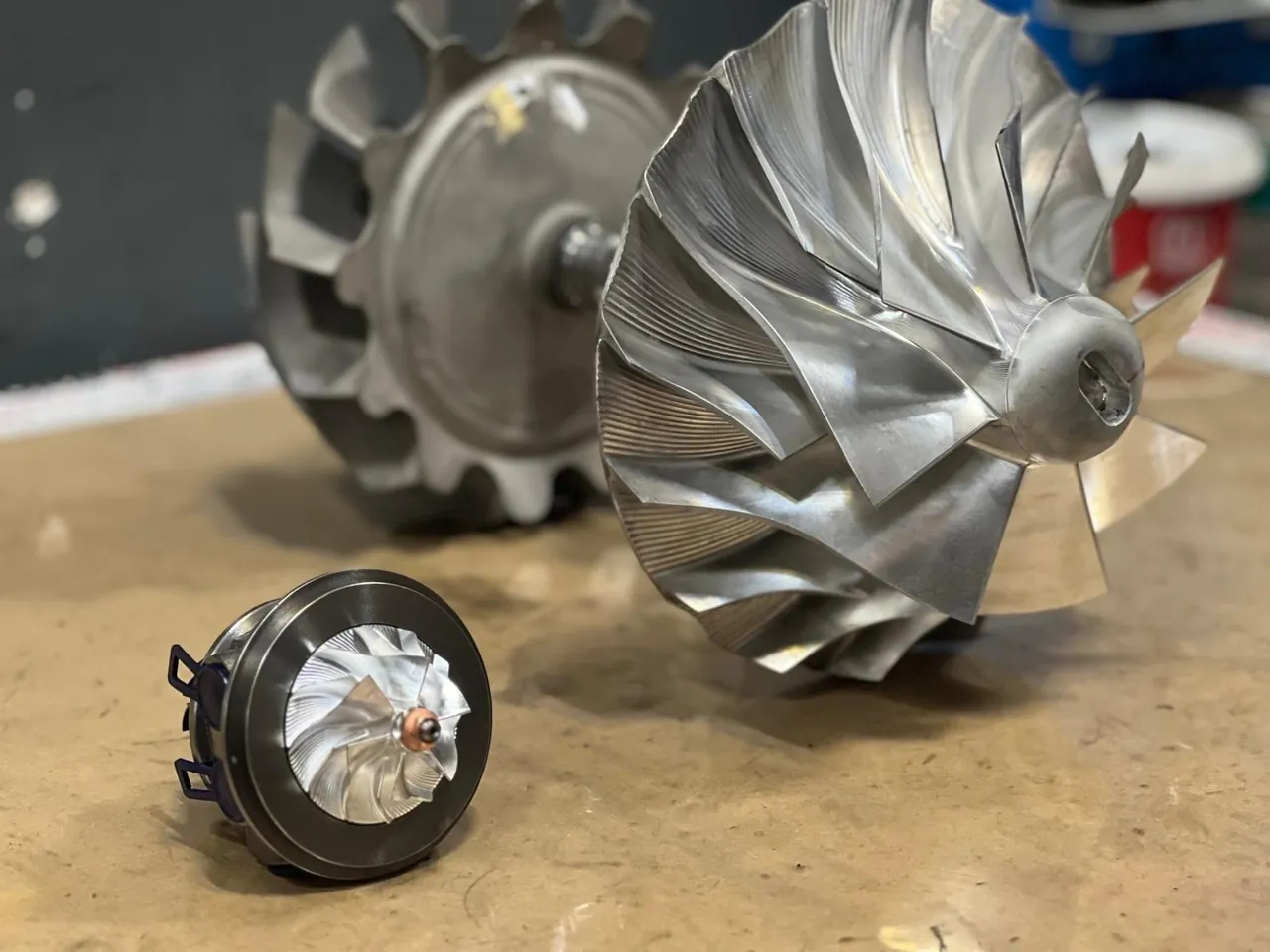
Symptoms and what may be behind them
Surging or unstable boost pressure: often linked to fouling of the compressor or turbine side, restricted air or gas flow, or changed engine conditions. Surging that keeps coming back should be investigated rather than ignored.
Increased vibration or noise: can come from an unbalanced rotating assembly, worn bearings, damaged blades or deposits on the wheels.
Oil leakage or oil in the exhaust or air side: can point to seal or bearing problems, oil supply or drain issues, or pressure conditions in the casing.
Smoke, higher exhaust temperatures or loss of power: can relate to the turbocharger delivering less air than needed, but also to the engine, fuel or cooling systems, so the turbocharger is only one place to look.
More symptoms to know
Low charge air pressure: may relate to a fouled compressor, a blocked air filter or cooler, air or gas leaks, or reduced turbine power.
High charge air pressure: can relate to engine load or settings, exhaust restrictions or changes on the gas side. Compare with the load and with earlier readings first.
Short run-out, noise while the rotor slows down, or a sluggish start: can indicate bearing wear or rubbing. A unit that does this should not keep running without advice.
Casing or joint leaks: can come from gaskets, cracks or thermal damage and should be inspected.
Low oil pressure, oil loss or oil that darkens quickly: can come from the lubricating oil system, filters or seals as well as from the turbocharger bearings.
A temperature alarm right after an overhaul: report it together with the work that was done. Assembly, fitting or system conditions may be involved.

The data that speeds up diagnosis
- Make, type and serial number from the nameplate.
- Engine load and speed when the symptom appeared.
- Exhaust gas temperatures, charge air pressure and temperature.
- Lubricating oil pressure and temperature, and oil condition.
- Recent maintenance and running hours.
- Photos or a short video, and any alarms.
When to stop and ask
Unusual noise, strong vibration, rapid oil loss or a sudden change in boost pressure are reasons to follow your procedures, reduce load or stop as the manuals require, and ask for advice before running the unit further.
Finding the cause
A symptom is only a starting point. The cause is confirmed by inspection and measurement of the unit, and we write up what we find. Our notes on failure causes, surging and signs that an overhaul is due go into more detail.
Questions
Can I fix a surging turbocharger myself?
Cleaning and checks described in the manufacturer's manual can be part of normal maintenance. If surging continues or comes back, have the unit inspected.
How do I know whether the problem is the turbocharger or the engine?
A symptom can come from either. Send us what you observed and the readings you have, and we will help you work out where to look.
Is this guide a replacement for the manufacturer's manual?
No. It is a general guide. The manufacturer's instructions and your class and company requirements always come first.